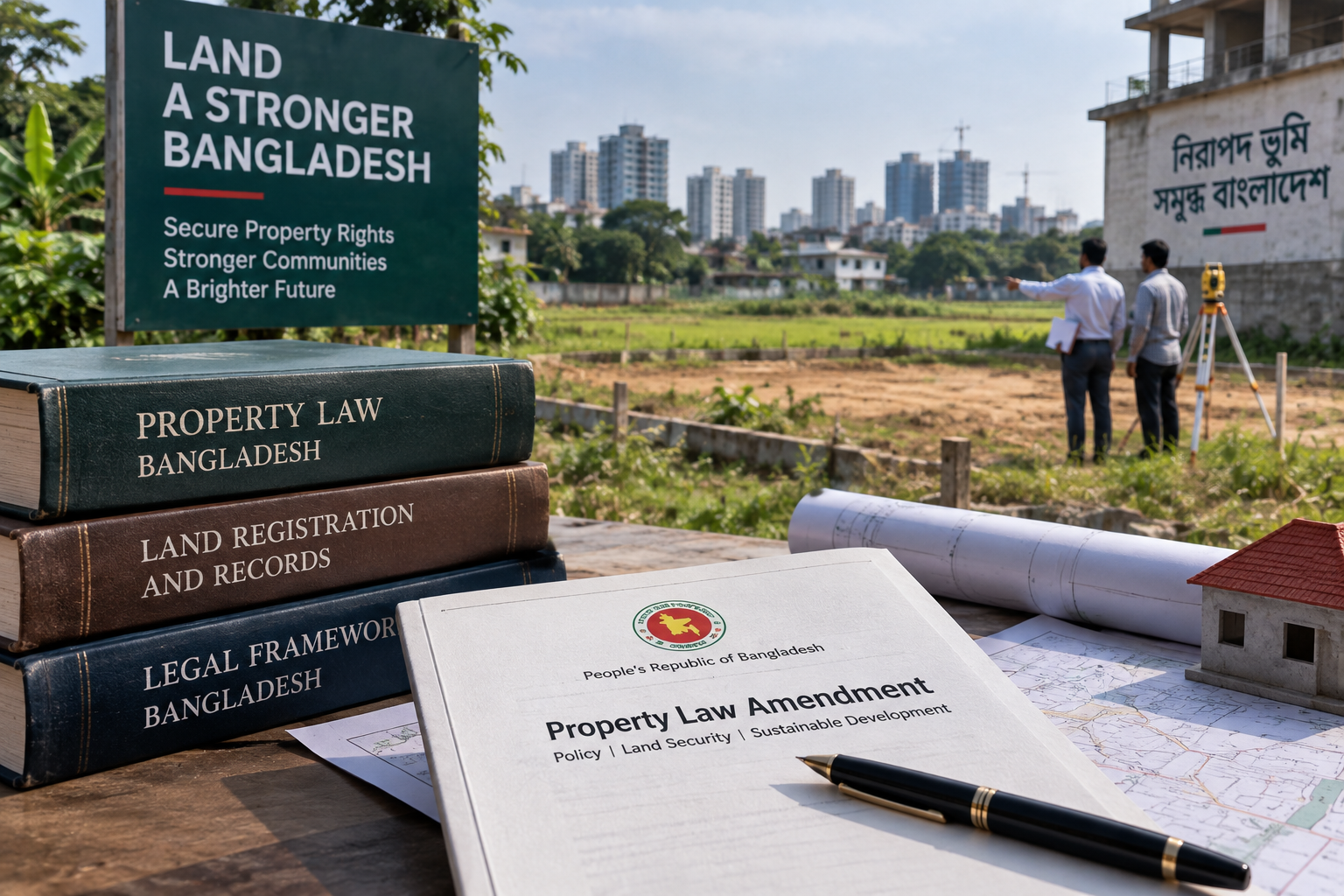
The Transfer of Property (Amendment) Bill, 2026 adds two new provisions to the 1882 Transfer of Property Act, The Business Standard reports. Section 122A creates a “gift reserving life interest”: parents, grandparents or spouses can transfer property ownership while legally retaining the right to live in, use and earn rental income from it for life; if the recipient dies first, ownership passes to the recipient’s heirs while the original owner’s occupancy rights remain intact. Section 122B bars unilateral revocation of a registered gift, requiring joint modification through another registered deed, with a district judge’s approval where a party lacks legal capacity.
Why it matters: Under the previous framework, elderly parents who transferred property to children lost all legal ownership and possession rights immediately — leaving cases like that of 75-year-old Yad Ali, reportedly beaten and evicted after signing over his homestead, with essentially no legal recourse. The amendment is designed to close that gap, and extends similar lifetime-transfer protections to women and people with disabilities outside the personal-law frameworks that have traditionally governed inheritance.
Counterargument: Property lawyers note that a legal right on paper is only as good as enforcement in practice; rural elderly landowners with limited access to legal aid may struggle to invoke Section 122A protections against a determined family member, particularly where registration offices are distant or under-resourced.
Policy implication: This is a meaningful legal upgrade for urban and better-resourced households, but its practical reach for Bangladesh’s rural elderly will depend on parallel investment in legal-aid access and registration-office capacity that the amendment itself does not fund.
Recommendation: Pair the law with a public-awareness campaign run through union parishad offices and a subsidised registration fee for life-interest gifts among below-poverty-line households, so the protection is not effectively limited to those who can already afford legal counsel.
Confidence level: High on what the law changes; moderate on real-world impact, which depends on implementation capacity not yet tested.
Related reading: Bangladesh’s property law amendment puts lifetime security on the deed — The Business Standard