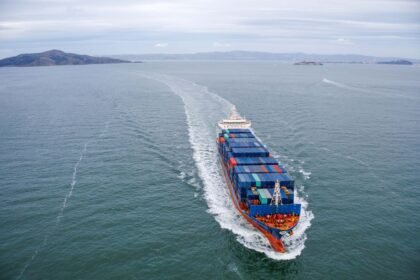
The issue: The UN’s International Fund for Agricultural Development (IFAD) warned on October 15 that disruption in the Strait of Hormuz is now feeding into harvests, as fertilizer shipments are delayed and fuel and transport costs rise.
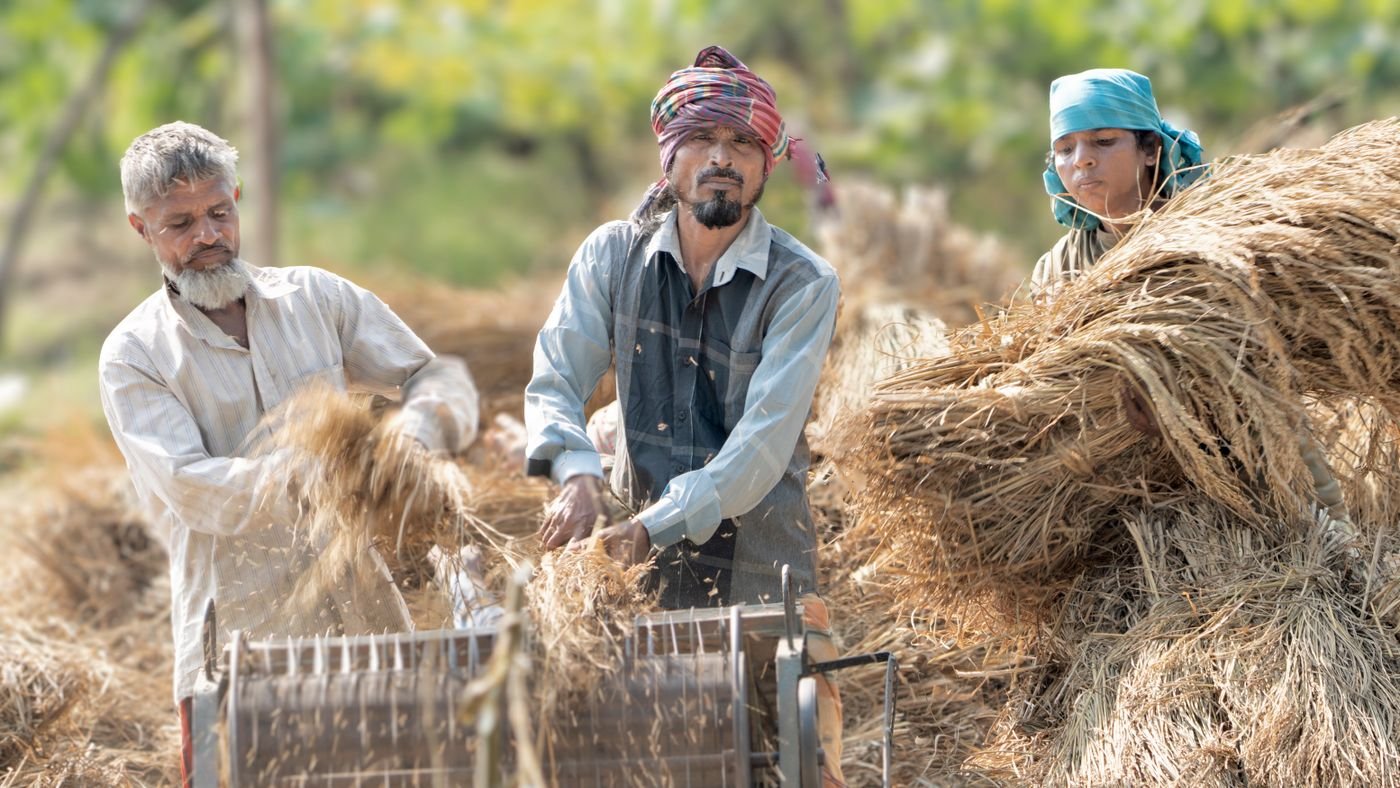
What the data says: Agricultural commodity prices rose 13% in the third quarter of 2026, and IFAD expects further increases through early 2027. Farmers in many countries are applying less fertilizer and planting more cautiously.
Why Bangladesh is exposed: Bangladesh relies on imported fertilizer and fuel, and food prices weigh heavily in household budgets. The IMF already forecasts inflation of 10.9% in FY2026-27; a fertilizer shock would add pressure through food.
Risks to watch:
- Lower fertilizer use reducing yields in the next growing seasons.
- Higher diesel costs raising irrigation and harvesting costs.
- Farmers shifting away from higher-value crops toward quicker-return crops, as IFAD warned.
Recommendations: Secure fertilizer supply early through diversified sources and government-to-government deals; protect subsidy budgets for smallholders; monitor district-level fertilizer availability; and coordinate food-import planning with monetary policy so a supply shock does not become a prolonged inflation spiral.
Confidence level: Moderate. The global data is from IFAD; Bangladesh-specific impacts will depend on stock levels and import contracts not publicly reported.
Related reading: Hormuz shipping disruption is starting to hit harvests, UN agency says — Oman Observer / Reuters