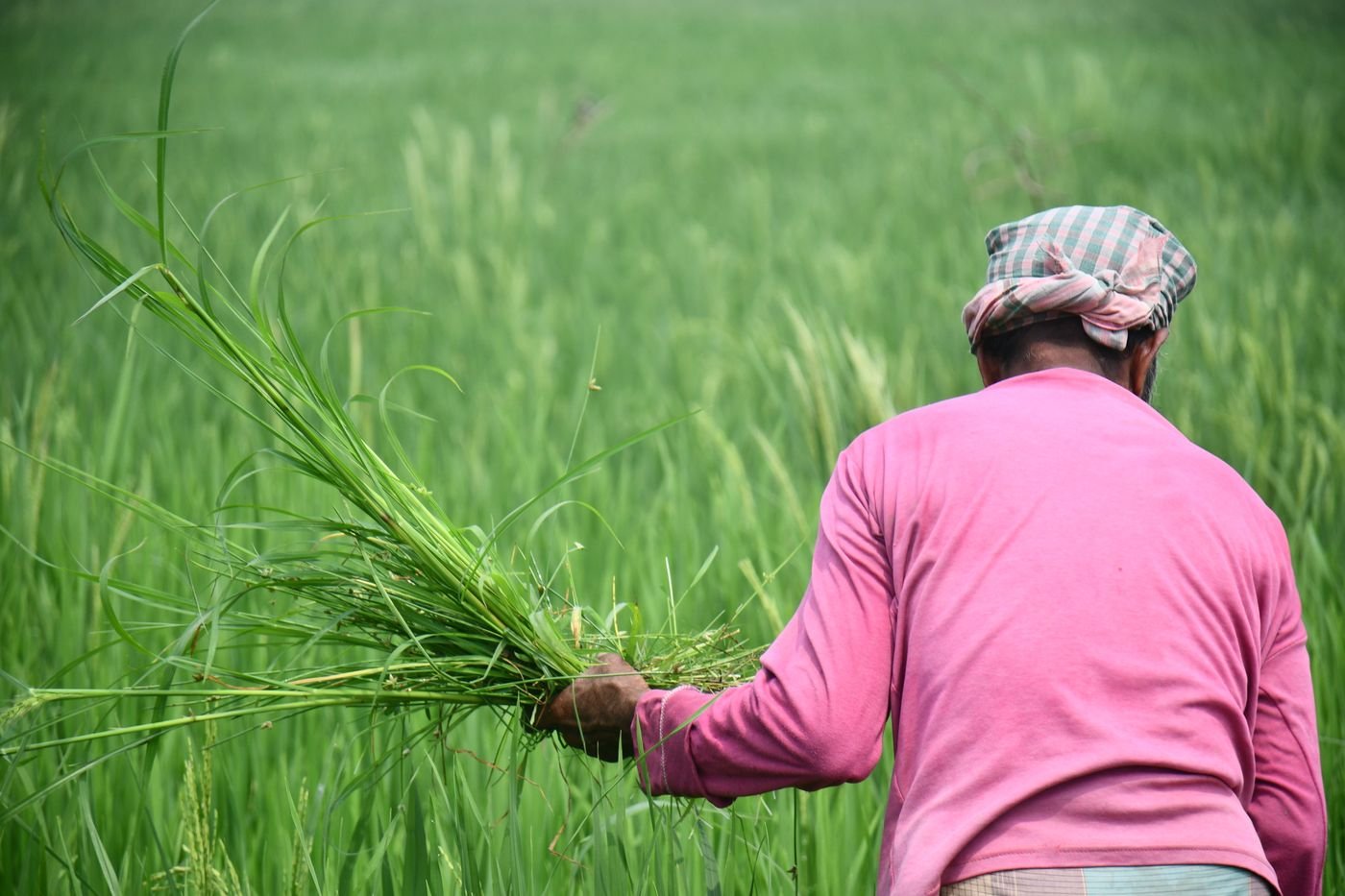
What happened: The International Fund for Agricultural Development (IFAD) said on October 15 that shipping disruption in the Strait of Hormuz is starting to hit harvests. “The pass-through from the initial locking down of the Strait of Hormuz … is now starting to be seen,” IFAD President Alvaro Lario told Reuters.
How the shock travels: Disrupted fertilizer shipments plus higher fuel and transport costs are raising costs across the food chain. Existing stocks cushioned the first months, but with uncertainty dragging on, farmers are planting more cautiously and applying less fertilizer. Higher fuel prices are also raising the cost of mechanised harvesting.
The numbers: Agricultural commodity prices rose 13% in the third quarter of 2026, and Lario expects further increases in the fourth quarter and into early 2027. He linked the pressure to El Niño and disrupted Black Sea wheat supplies as well.
Who is most exposed: Countries that depend on imported fertilizer, fuel and food. An official overseeing a proposed UN-backed scheme to move fertilizer through the strait warned that, without a US-Iran agreement within weeks, food-security crises could hit parts of Asia and Africa.
Why it matters for Bangladesh: Bangladesh imports much of its fertilizer and fuel, and its farm sector is sensitive to input costs. A fertilizer squeeze ahead of the next major growing season could feed directly into food inflation.
What to watch: Progress on the UN fertilizer corridor and US-Iran talks, and fertilizer import prices in the coming months.
Related reading: Hormuz shipping disruption is starting to hit harvests, UN agency says — Oman Observer / Reuters